
Blogs
Why Structural Engineering Needs Planning Before Execution
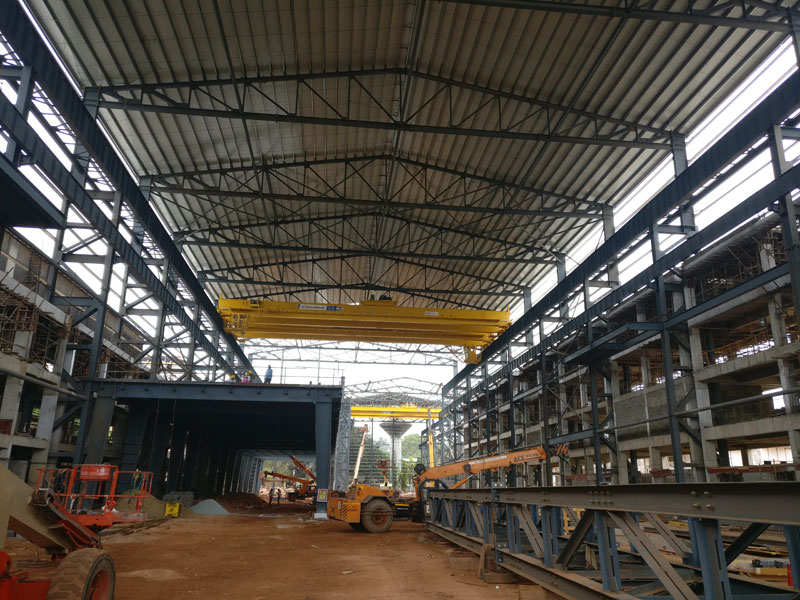
Why Planning Before Construction is the Future of Structural Engineering
In today's fast-growing infrastructure landscape, the scale and complexity of projects are increasing rapidly. Yet, one of the biggest challenges in the construction industry remains the tendency to start execution before completing engineering design. As Abhijit Antarkar shares, "our industry’s traditional approach tends to involve rushing into the construction phase before finalising the design. This approach often leads to inefficiencies, delays, and cost escalations."
The Shift Towards Systematic Engineering
Globally, the standard practice is clear - complete design and engineering before execution begins. This ensures:
- Better coordination across teams
- Reduced on-site errors
- Faster project timelines
- Optimized material usage
There is now a visible shift in India as well. More developers and contractors are recognising the importance of structured planning.
Antarkar highlights that this shift is already delivering results, with projects being completed ahead of schedule by adopting a systematic approach.
Why Planning Impacts Project Success
Proper planning is not just about drawings — it’s about managing the entire lifecycle of a project.
When engineering is done thoroughly before execution:
- Structural risks are minimized
- Cost overruns are reduced
- Decision-making becomes faster
- Coordination between stakeholders improves
The ability to handle large-scale projects today depends on how intelligently processes are managed from start to finish.
The Way Forward
The construction industry is evolving. As projects grow larger and more complex, the margin for error becomes smaller.
The future belongs to companies that prioritize:
- Detailed structural design
- Integrated project planning
- Process-driven execution
At ACE, this philosophy is central to delivering reliable, efficient, and scalable engineering solutions.